



Responsible psychology insights at the casino
Casino gambling can look straightforward from a distance. A player selects a game, places a stake, waits for a result, and either continues or stops. In practice, the emotional part is rarely so tidy. Newcomers often arrive expecting a few minutes of entertainment, then discover how quickly a near-win, a bonus round, or a run of losses can change the mood. The real challenge is not simply understanding odds. It is noticing how the mind reacts while those odds are unfolding.
Users comparing platforms such as nightwin may focus first on game selection, payment methods, or welcome offers. Those details matter, certainly, but experienced players often say the more useful question is whether they can keep their decisions calm once play begins. A well-run operator can provide limit settings and safer gambling tools, yet the choice to use them still belongs to the person at the screen.
Why risk can feel more exciting than it is
Risk has a peculiar pull. A small stake can create a large imagined outcome, and that imagined outcome sometimes feels almost as vivid as a real win. Slot players may become absorbed by lights, sounds, and quick rounds. Roulette users may feel that a colour is “due” after seeing it miss several times. Neither reaction is unusual. They are ordinary mental shortcuts, especially when a person is tired, bored, frustrated, or trying to lift a difficult mood.
The gambler’s fallacy is often part of this picture. Players see a sequence and instinctively search for a pattern, even where each game round is independent. Someone who has watched red appear repeatedly may feel drawn toward black. Another player may increase a stake after several losses, convinced that the next result has to repair the previous ones. It does not have to be reckless at first. That is partly why it can creep up quietly.
Near-wins can distort the memory of a session
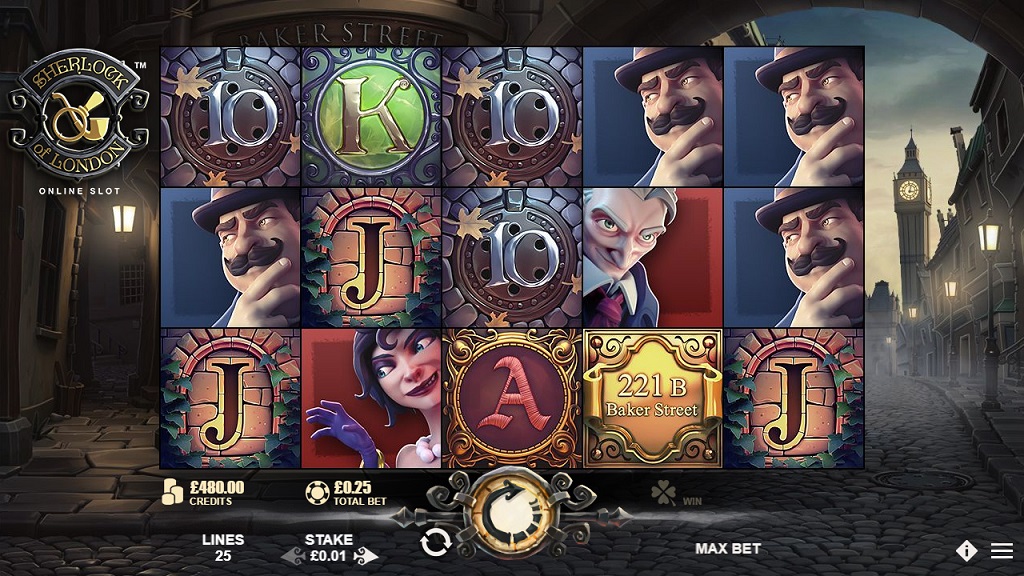
A near-win is particularly persuasive because it feels like evidence of progress. Reels landing just beside a jackpot symbol can make a player feel close, even though the next spin has no memory of the last one. People tend to remember those almost-moments more clearly than routine losses. Later, they may describe a session as “nearly turning around,” which is understandable, though it can blur what actually happened to the balance.
A practical habit is to look at the amount spent rather than the emotional story of the session. That sounds dry, perhaps, but it brings attention back to something measurable. Wins are possible, losses are possible, and no individual result promises the next one.
Limits that work before emotions take over
The most effective limits are generally set when the player is not already caught up in a game. A deposit limit, a session timer, or a loss limit has more value before a tempting streak begins than during it. Once adrenaline enters the picture, people can become surprisingly inventive at explaining why one more round is sensible. They may call it a final try, a recovery attempt, or a deserved chance. The wording changes, but the pressure often feels the same.
Responsible players commonly treat gambling money like a leisure expense, closer to a cinema ticket than a financial plan. If it disappears, it was already allocated for entertainment. This approach can feel less thrilling than chasing a large win, admittedly, but it removes some of the panic that leads to poor decisions. It also makes stopping less personal. The budget has ended, rather than the player having “failed.”
Time limits matter as much as spending limits
Time can become invisible in an online casino. There is no closing bell, no walk to a cash desk, and often no natural interruption between games. A player who intended to play for twenty minutes may look up much later and feel slightly surprised. Scheduled breaks are useful for that reason. A pause gives the mind a chance to ask a simple question: is this still enjoyable, or is it now an attempt to change how the day feels?
How casino design affects decisions
Casino platforms are designed to be engaging. Bright game lobbies, instant notifications, tournaments, and bonus prompts can all make returning feel easy. That does not mean every feature is harmful, but it does mean users benefit from recognising the nudge. A promotion can appear generous while also encouraging extra play. Some players genuinely enjoy that added activity. Others later notice they spent more because they did not want an offer to expire.
A responsible operator should make account controls visible rather than tucked away behind several menus. Deposit caps, cooling-off periods, self-exclusion options, and transaction histories are not glamorous parts of the player experience, but they can be the most important ones. Clear bonus terms also reduce the frustration that sometimes pushes people into chasing wagering requirements they did not fully expect.
Recognising the moment to pause
Many players do not need a dramatic warning sign to step away. Smaller changes are often enough. Irritation after a loss, hiding spending from someone close, ignoring a planned bedtime, or raising stakes simply to feel something can all suggest that the session has shifted. None of these moments defines a person. Still, they are worth taking seriously.
A break is not a punishment. It can be a reset, and sometimes a longer one is the sensible choice. Cooling-off tools allow users to block access temporarily, while self-exclusion is available for those who need a firmer barrier. Players who use these options sometimes describe relief rather than disappointment. The game had begun occupying too much space, and the pause gave that space back.
A calmer approach to gambling
Staying in control at a casino is less about exceptional willpower than about creating conditions that make calm choices easier. Players who set a budget, avoid gambling when upset, and take regular breaks are not removing all the fun. They are protecting the part that can still be fun. There may be an occasional win, a disappointing loss, or a game that simply feels entertaining for a while. The important point is that gambling remains one activity among many, not the mechanism used to solve money worries or emotional strain.
When gambling stops feeling optional, support from trusted people and specialist services can make a genuine difference. Seeking help is not an admission of weakness. It is a practical response to a situation that has become difficult, and it gives players a better chance to regain control on their own terms.